Concussion, bad news and best practice
/Over the weekend the news filtered out that James McManus, a former NRL player for the Newcastle Knights, would be suing his club over the way multiple injuries to his head were handled. Concussion and mild brain injuries, and the long term side effects to these injuries have been gaining a great deal of attention over the last five or so years after former NFL (American Football) players successfully sued the NFL for covering up the severity of the problems that can ensue from head knocks (for an awesome documentary on that class action, check out this link).
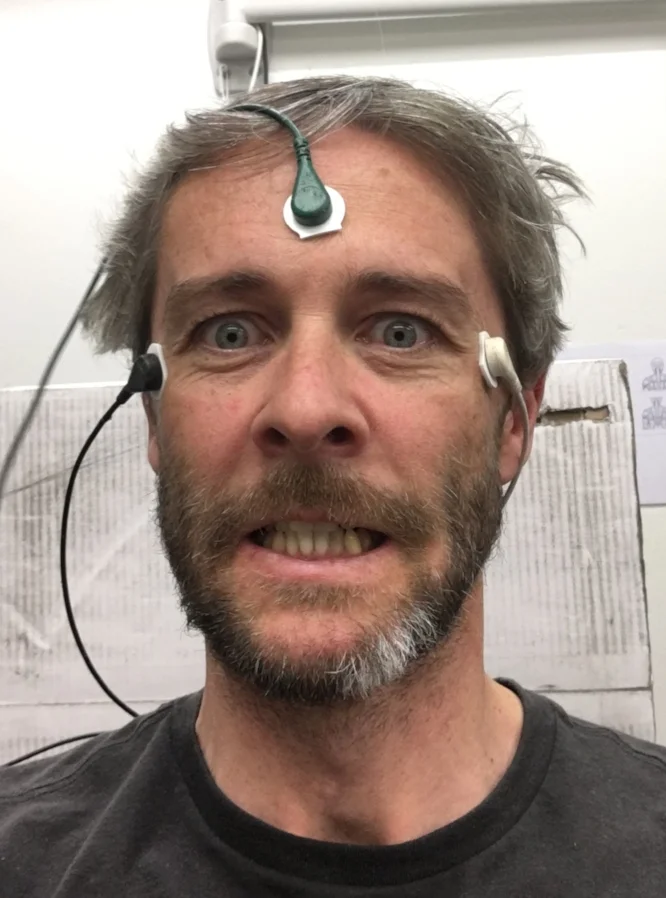
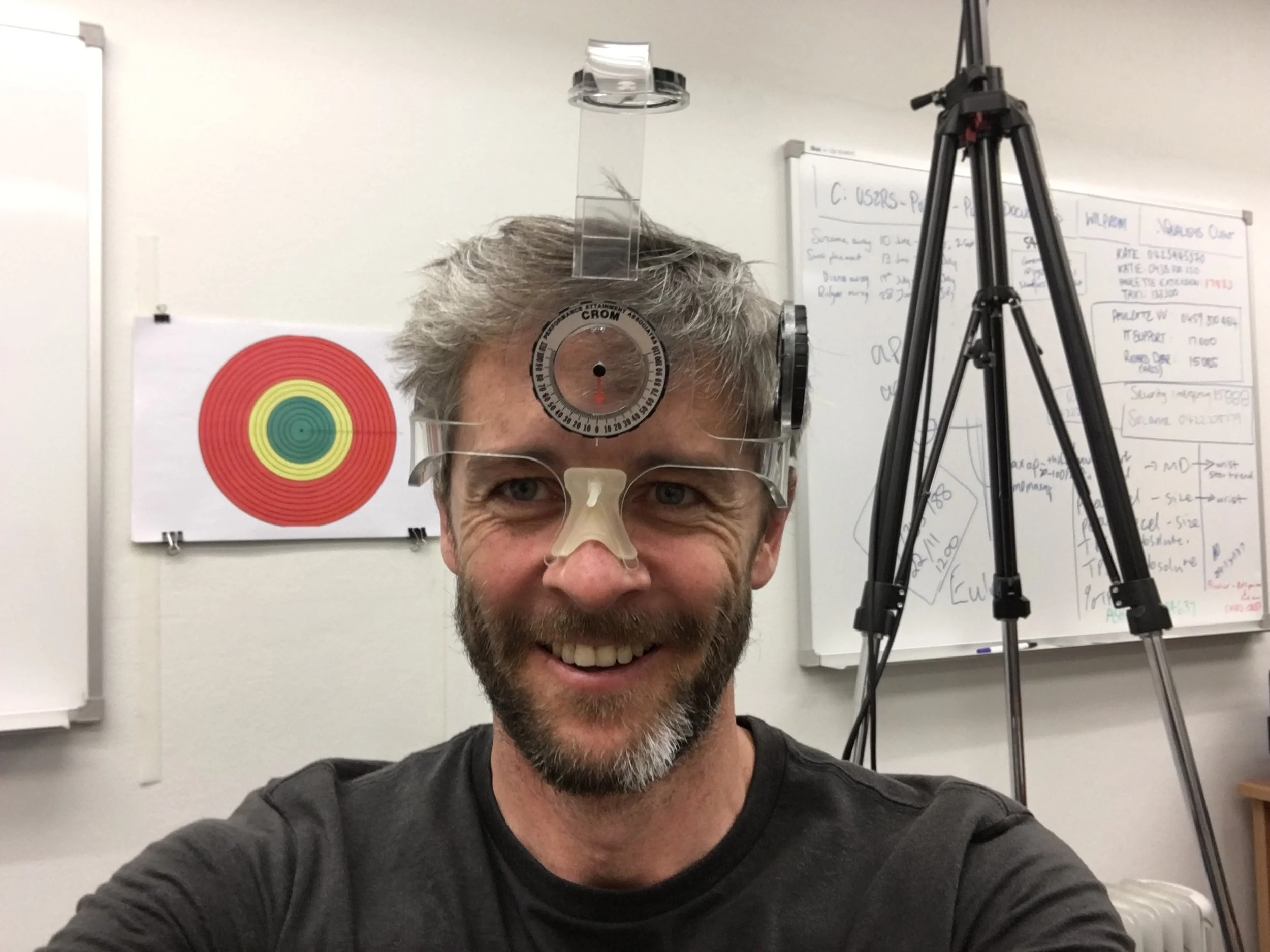
Me in the midst of undertaking the neck position sense testing up at the Uni of Newcastle with Rutger de Zoete
With the huge increase in interest, as well as the enormous financial incentive that clubs have in keeping their players healthy both in the short- and long-term, there has been an equivalent explosion in research and understanding of what constitutes best practice for both short- and long-term treatment of concussion.
The AIS and AMA have recently combined and released their position statement on concussion, which is comprehensive to say the least. Of particular interest to me as a physio is firstly how much advice has evolved to be pushing more mobility and motor control work more quickly, and secondly how the longer term physical concerns that on occasion follow concussion appear to be greatly assisted with neck-related treatment, including strengthening and position sense training.
I have been lucky enough to get involved with some research into these types of neck-related issues at the University of Newcastle, and am excited to be able to provide treatment that is genuinely cutting-edge for people with post-concussion syndrome and other neck-related injuries.