
Wake up coming.

How I imagine the powers that be at Physio HQ meet...

How I imagine the powers that be at Physio HQ meet...

There have been a couple of news stories over the past 6 months that I hope have the decision makers at Australian Physio HQ (that's a thing.  I'm sure it's a thing...  well it should be a thing...) have been paying attention to.  

Firstly, quite a few months ago the Government in Australia chose to stop subsidising private health insurance rebates for a whole series of alternative treatments that - upon careful examination of all published literature - did not show any GOOD evidence of efficacy.  For a great synopsis, go here and then poke around the website and read about all sorts of interesting articles (I love that website... and yes, raw water is a health craze).

This means that as of next year, you will no longer be able to claim a subsidy for all sorts of weird and wonderful treatments.  Surprisingly, yoga and Pilates have both been included in the list of treatments no longer subsidised for the same reason: there is no credible evidence of these interventions working.  It is sad that two plausible treatment options are not to be subsidised, as opposed to some of the ludicrosities (my new favourite portmanteau I just made up - a ludicrous atrocity) such as homeopathy, iridology and faith healing...  I mean reiki...  but currently, there is no evidence of benefit for pilates and yoga as well.

So that was the first piece of news that should have "Physio HQ" shaking in it's boots. 

The second article came out in the Weekend Australian (we subscribed for a free Google Home...  I swear...) "Debatable ops Boost Premiums" (I can't link to it because it's behind a paywall...  thanks Rupert.)  Go to Twitter and follow the journos @Sarah-JaneTasker and @SeanParnell and you will get a good idea of the types of stories they're running about waste in healthcare and how the Government and health insurers are trying to rein in spending on unnecessary treatments/procedures, as well as on treatments that don't work.

The story in a nutshell is that big insurers have flagged at least $700m worth of procedures PER YEAR that either don't work, or are no better than less invasive options for the conditions reviewed.  It didn't mention that surgery also has a great deal of risk to the person being treated related to it as well (one example of a risk of surgery would be death... imagine losing a loved one to a surgery that they didn't need...), which warrants a whole other investigation.

So we have two of the key contributors to the funding of the healthcare industry - insurance companies and the Government - in Australia starting to pay attention to which treatment works, and which doesn't.  If they were to look at physiotherapy, how would we stand up?  

Ultrasound and acupuncture are considered by many practicing physios to be cornerstones of their treatment.  And yet, acupuncture works just as well if you put the needles in a rubber arm as they do when inserted into the person's actual arm, and there is no discernible difference in outcomes of ultrasound, whether the machine is plugged in or not.  Seriously.  Follow the links I've added to the above sentence.  There have been question marks over both of these options literally for decades (I started my undergrad course in '98 and ultrasound was openly questioned by my lecturers and tutors then), and yet we STILL make physio students (remember, physio is a SCIENCE degree) learn all about how to apply ultrasound to clients, and there is a whole special interest group in the Australian Physiotherapy Association dedicated just to acupuncture.

Are the powers that be frightened???

Are the powers that be frightened???

So are the powers that be at the (mythical) Physiotherapy HQ shaking in their boots?  Is there any movement towards redefining the scope of practice of a physio to exclude stuff that doesn't work?  Are we making any changes?  Clearly this change won't be driven by ethical considerations such as providing your paying customers with effective treatments, but perhaps if the threat of losing Government-subsidised private healthcare rebates were hanging over our heads, there would be a drive to either prove that these implausible treatment options work, or exclude them from what it means to practice physiotherapy.

Somebody step up please!!
#MovementIsMedicine : Knee arthritis edition


A recent (super cool) research effort run by evolutionary biologists at Harvard looked at the skeletons of humans donated to museums, anatomy laboratories and medical schools.  From studying these skeletons, some as old as 4000 years, and others as new as from 2015, what they found was that the prevalence of knee arthritis is going up despite our activity levels decreasing markedly as modern technology and living has moved people into more sedentary lifestyles.

I'll say that in more simple terms: since our average activity levels have dropped, our average rates of knee arthritis have risen.  Osteoarthritis is NOT "wear and tear" and is NOT a result of you "wearing your joints out".  

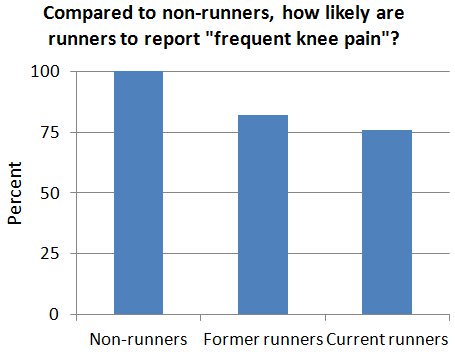
This graph shows a comparison of likelihoods of different groups reporting frequent knee pain.  it means the "same" person who once ran is 20% less likely to have knee pain, and if they are still running, they're 25% less likely to have knee pa…

This graph shows a comparison of likelihoods of different groups reporting frequent knee pain.  it means the "same" person who once ran is 20% less likely to have knee pain, and if they are still running, they're 25% less likely to have knee pain.  Image from alex hutchison

This finding is yet another in a long line of research results that buck the intuitive belief that you get arthritis from doing "too much".  We have data from people who report having been regular runners at some point of their lives (not necessarily at the time of their knees being tested) which shows they have "better" knees than their age-matched counterparts.  That finding is totally separate to the multiple studies from around the world (Austria, Canada, USA to name a few) that show regular runners have "better" knees than those who are not regular runners.

From completely different research groups looking at completely different elements of knee health, we start to see a pattern that problems arise from long periods of doing "not enough" activity, and thus not stimulating the cells of your bones, muscles and cartilage around your joints to be supple and strong.  Then when a person does get active, they are doing more than their weakened cells and structures can cope with, and things become painful, and the person - incorrectly - blames running on their sore knees, when in fact it had a lot more to do with the long period of not running prior to getting back into things!

The scientific method works by someone having an idea or belief (hypothesis) that they test.  If the test proves the idea wrong, it is cast aside or refined to better reflect reality.  If the test supports the idea, others will try and reproduce the test, or test the idea in another way.  As the hypothesis passes more and more tests, the likelihood that it is a true reflection of what is really happening increases, until eventually it becomes considered a Theory, and is generally accepted to be our current best estimate of reality.  Evolution is a good example of this, where direct observation is coupled with fossil records, DNA evidence and big data crunching (among other things), and we now have multiple convergent lines of evidence to strongly support the Theory of Evolution.

While the concept that Movement Is Medicine is by no means as well researched, articulated or supported as the Theory of Evolution, there are some clear indicators that there is genuine merit in movement being of huge benefit to humans.  We have strong evidence from multiple different lines of inquiry which shows that inactivity is one of the surest ways to worsen the health of your joints (in this case, your knee).

Here at The Good Physio it is extremely rare that you will be told to simply rest when you present to the clinic in pain.  It is in your best interest to keep moving if you are a habitual exerciser worried about "wearing yourself out" and to start moving if you've been putting off getting going again because you're worried about hurting yourself.

Book in to the Good Physio and we can work together on a plan to set and then achieve some SAFE movement goals for you, so you fit in the cohort of people with knees that are LESS likely to be sore.

Tendons: At the cutting edge from the horse's mouth

I posted a video last week talking about how excited I was to be listening to Ebonie Rio present a seminar to Newcastle physiotherapists on the latest developments in tendon research, and now that the show is over, my excitement was entirely justified!  Ebonie is a great science communicator, with a super impressive knowledge of tendons following some excellent research that she and the research team she is involved with have been producing over the past 5 years or so.

Following is a bit of a post for the nerds - it's my summary of my notes from the night itself.

Tendon structure

Tendon is mainly made up of Type 1 collagen, a super strong fibre which (when healthy) is so strong that your bone breaks before the tendon snaps.  The fibres are interlaced with a super fine, beautifully organised matrix of tendon cells which have two key jobs - sense load levels in the tendon, and produce enough collagen fibre to be able to tolerate that load if it happens again.

Behaviour when overloaded

When the cells sense more load than they can comfortably tolerate, they freak out a little bit, and become super sensitive.  They also produce extra cells to (hopefully) produce enough fibre to cope with the higher loads.  If they continue to be overloaded, they go into protection mode, altering the type and quality of tendon that they produce, and also creating "cellular bubble wrap" which is essentially balls of water that surround the cells for protection.  Importantly, regions of lumpiness on the tendon are these nodules of water - this is NOT inflammation, but water, and so medication targeting inflammation will have negligible effect on the tendon.  This painful tendon is described as being "reactive".

What happens after this overloading episode then depends on your age.  Presumably a person with a reactive tendon like this will present to a healthcare provider to sort their pain out, and if receiving appropriate treatment, they will then settle back down to a normally functioning tendon.  IF you're under 25, then you may settle down to a simple, healthy tendon once more, however if over 30, then you will settle down to your usual "degenerative" tendon.

Latest thoughts on imaging and tendons

The only scans that can look at  tendons are ultrasounds and MRIs.  Both of these scans can only show if something is a different shape, and so their main descriptors are "torn" "degenerative" or "normal".  These scans have also been shown to be no better than a coin toss in their ability to tell the difference between a torn tendon or a tendinopathic tendon.

HERE'S WHERE IT GETS INTERESTING

Anyone who has run regularly for more than seven or so years will have Achilles tendons that are described as "degenerative" on a scan.  Any. One.  Anyone.  Anyone who has played regular basketball or volleyball as a teenager will have knee tendons that are "degenerative" on scanning.  Baseball pitchers have shoulder tendons described as "torn" or "degenerative" while playing symptom-free, and in fact continuing to play at the elite professional level for years.  And that finding on scan remains "degenerative" for decades.  

What "degenerative" means in these people, who have no symptoms, is "thickened".  And in this case, thickening is the body's natural response to higher amounts of load.  This isn't a bad thing.  It's normal, and a really smart reaction from our body to higher load.  This means if you've had a period of higher load, you get more tendon to deal with that load.  There are parts within the thickened portion that have degenerated, but the majority of the thicker part is actually healthy tendon fibre.  

To paraphrase Sir Mix-A-Lot: "So Cosmo says you're fat?  Well I ain't down with that"  If you get an ultrasound or MRI report saying your tendon's thickened or degenerative, but you have no pain, this mean's you're good to go!!

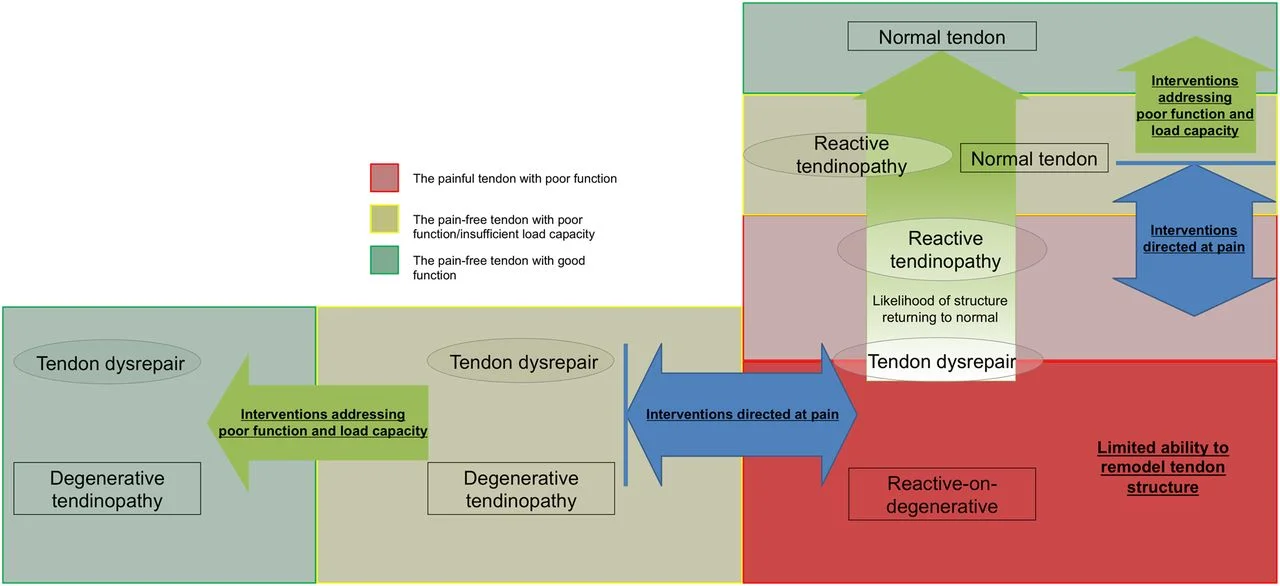
A pictorial depiction of tendinopathy as a continuum.  Reprinted from British Journal of Sports Medicine, 2016.

A pictorial depiction of tendinopathy as a continuum.  Reprinted from British Journal of Sports Medicine, 2016.

Painful tendons (from the above picture) are either "reactive" (the pinky red part) or "reactive on degenerative" (the red part).  Either way, the goal is to move the tendon back to the pain-free tendon with good function part of the continuum (the darker green parts - either the very top, or the very left side of the picture - depending on your age).

Types of tendon load

There are 4 basic ways a tendon can be loaded - 

  1. Compressive load - this is a load that usually runs across the line of the tendon fibres, and is not what tendons are good at tolerating.  This can be irritating in many cases
  2. Tensile load - this is the main load that tendons functionally handle
  3. Shearing/friction load - this is the load of the outside of the tendon rubbing against the structures that surround it and it the source of popping or crackling sounds when you move an irritated tendon - this should be dealt with very differently to most tendinopathies!
  4. Combination load - both compressive and tensile load hitting the tendon at once.  This is the most irritating type of load that a tendon needs to tolerate, and the most common cause of the tendon becoming painful.

Assessment needs to isolate which load type is irritating, and treatment has to mitigate that load, and build the tendon's tolerance to the load that the client needs to tolerate.  This will allow them to perform the activity they want to do.

Moving from "painful with poor function/capacity" to "Pain-free with good function"

(We are ignoring tendons that crackle and pop here - they will respond differently)

If the tendon is in a reactive state, the first thing to do is calm things down.  The best way we know how to do that is with isometric or static exercises.  You're putting a heavy load through the tendon, without shaking it or moving it.  By "heavy" we mean that you should be tired after holding things still for 45seconds.  Work out your "heavy" through trial and error.  

The only time that a tendon will like being completely rested is when it has ruptured.  This is not the scenario we are talking about at all.  If you are resting a tendinopathic tendon, the tendon cells will not be stimulated to produce any fibres, and so your tendon will lose load capacity.  Thus even if the tendon is super sore, you should be trying to put some load through the structure - even working the other leg has some crossover benefit.

As soon as a tendon is tolerant of a given load, things need to increase - both with heavier weight, as well as progressing to loading with movement.  You need to be seeing a well-informed, modern - dare I say it - GOOD physio to progress your rehab in a targeted way.

Getting fancy and bringing our brains into the equation

The other side to the equation when we talk about tendon pain (well any pain, but that's another blogpost) is how our brain responds to the internal stimuli of what's happening at the tendon itself, as well as the external stimuli of what is being said about the tendon, as well as exercises and loading for the tendon itself.  

We now know that when we have a painful tendon, we are inhibited by parts of our brain to decrease the strength that we contract our tendon.  So when we're trying to move, one part of our brain is saying "go" while another part is saying "hell no", resulting in much worse function than we would otherwise have.  It's sort of like driving with your handbrake on - the car still drives, but not well!

Interestingly, even when we're not currently in pain, if we have a degenerative tendon, we may still be movement inhibited.  This inhibition can be lessened by targeted exercise techniques aimed at getting more of your brain involved in the exercise (I will put some videos up specifically working on this function), as well as treating therapists avoiding certain "inhibition enhancing" behaviours.  

Things that increase inhibition include: 

  1. Putting needles into the tendon (either acupuncture or injecting medication - either cortisone or PRP)
  2. Avoiding all activity
  3. Implying that the tendon is fragile and can't be fixed
  4. Implying that what happens in the treatment room is the most important part of your rehab

There was a whole lot more in the talk, and from what Ebonie was saying afterwards, a whole lot more she could have added to things as it was!  I feel that Australian physiotherapy, sports physiotherapists and the general healthcare professions are very lucky to have great researchers pushing the quality of our treatment so far forward, even from where it sat five years ago.  

If you're suffering from tendon pain, please think about the treatments that have been thrown at you by whoever is overseeing your treatment.  If they sound nothing like what we've spoken about up here, then assuredly it is time to move on and go see a Good Physio so you can #GetGood

Introduction to Running

So you’ve decided to get on board the biggest bandwagon going around and become a part of what’s being described as the second running boom.  Great decision!  Now we need to make sure that your transition into running a little further is as risk-free and enjoyable as possible.  There are some key considerations to be had when you’re starting a running program, which we will go through now.

The Big Picture

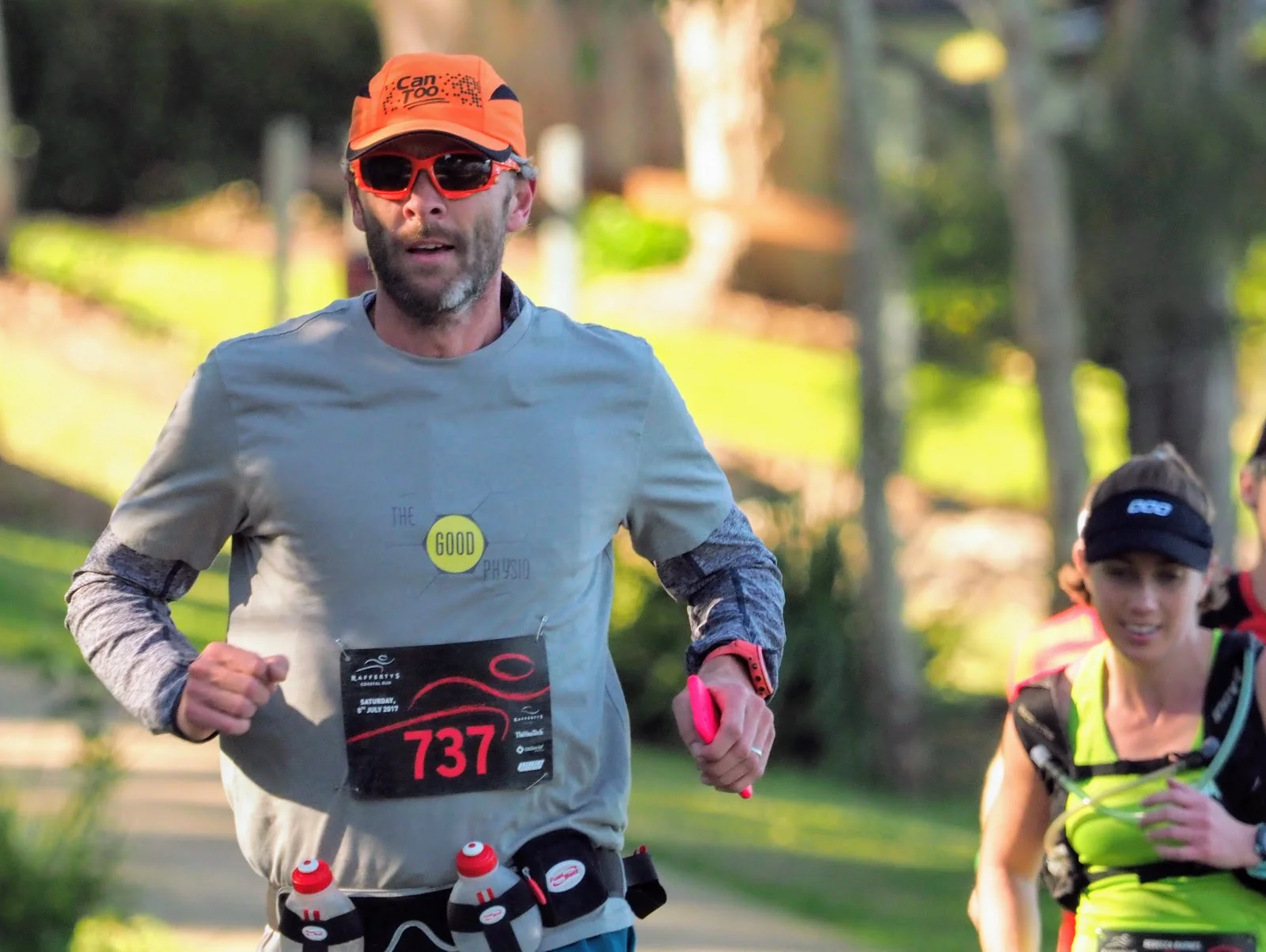
Starting a 22km trail run.  thanks to brad spalding for the photo

Starting a 22km trail run.  thanks to brad spalding for the photo

  1. You need to budget for a minimum of 2 runs per week (with a preference for 3) and a maximum of 5 (although many people don’t build up to 5 runs, even if they don’t have work and family commitments dragging them in nine other directions)
  2. Your weekly runs should be different to each other - if you’re only managing two runs, you should consider one of your runs as your “long” run (it may not be much further than the other run, but you can work on that) and the other run as your “intensity” run.  If you can fit a third run in, consider that your “tempo” run.  We’ll get to what these three types of run mean in a second.  Just remember that it is vital that you don't just run at one pace!  On race day you will inevitably run faster than the pace you've trained at.  It's human nature, just the rules of how we respond to exciting situations, so if you've never exposed yourself to running quickly, you will immediately be outside of your comfort zone and will be much more likely to blow up and have a poor race.  So get used to running faster than you anticipate you'll need to!
  3. You need to take a day off between runs to begin with - spread the runs that you do through your week, rather than jamming them all together in a row
  4. If you have a race in mind, you need to plan your training to work up to the race that you’re doing.  For example, if you’re doing the Blackmore’s Half Marathon on September 17th, then you will want to have run at least two runs further than 16km prior to that (preferably one in late August, one in early Sept).  As a super basic rule of thumb, a marathon needs a minimum of 2x 30km+ runs, and preferably 3x 30km+, with one of them being 33-35km.  Half needs a 16km and an 18km.

More specific issues

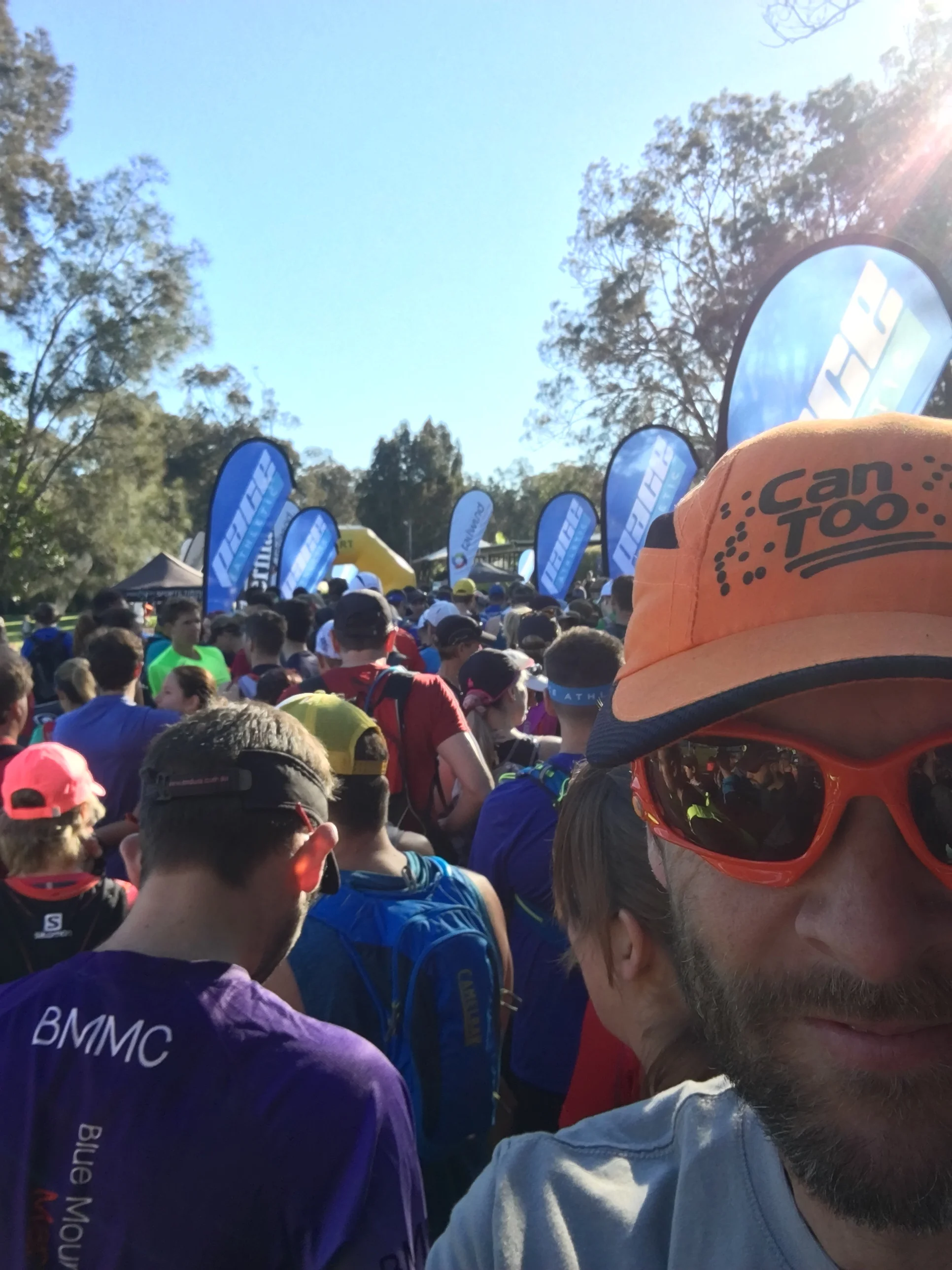
Starting chute on a trail run at raffertys resort, lake macquarie

Starting chute on a trail run at raffertys resort, lake macquarie

  1. Pacing - as mentioned above, you need to get used to running at different paces.  A good way to work out your pace zones is to do a time trial - parkrun is awesome for this - click the link and register if you haven’t already!  From there you can put in the times you should be training at for a variety of distances using a cool little online tool https://runsmartproject.com/calculator/ - this works on the premise that you train to the shape you are currently in, not the pace you want to get to.  Once you’ve entered your time for the distance you timetrialled, the calculator will tell you the approximate pace you should be looking to do your “long” run (Easy pace per km on the table); “intensity” pace (the Repetition pace from the table) and your “tempo” run (at or slightly slower than the Threshold pace from the table).  Do a retest every 4-6wks to ensure that you’re still training at the right paces as you get fitter.  And it’ll help your parkrun stats progress as well!
  2. Progression - the mileage that you build up by each week has a direct relationship with your risk of injury, so it’s important to know how much running you are doing each week to stay in the “safe” zone as much as possible.  However, the old rule of thumb of progressing your total distance by 10% each week is unnecessarily conservative when it comes to upping your mileage.  It turns out that 30% is closer to the safety threshold of what we can get away with.  This link here is a super basic version of a load calculator, and also has a great description of the science behind it.  Use that to work out how much you should be running each week.
  3. Technique - there isn’t one right answer to this.  Technique will definitely affect the efficiency with which you run, and also your risk of getting injured, but as yet there is no data as to what particular element of technique is the most important to ensure you run both well, and safely.  We think that key indicators include how the angles of your knee and shin look as your foot hits the ground (the more bent the knee and upright the angle of the shin, the better), as well as the movement of your pelvis through your gait cycle (less vertical oscillation through the stride and less braking when your foot hits the ground is better), but right now these are as yet unproven hypotheses.  The things you can do yourself include checking your cadence - most of us take a slightly slower stride than we should, which means we need to take a longer stride to make up for the extra time it takes to turn our legs over.  This overstriding is going to cause basically the opposite of all of the above measures.  So if you can spin your feet over more quickly, you’ll limit your risk of overstriding.  An easy way to measure this is to count how many times one foot hits the ground in a minute, and doubling that number.  If you’re up around the 160-180 steps per minute, you’re likely in the ballpark of where you need to be.  The other easy consideration is to try and be quiet as you run over the ground.  If you can’t hear your footfalls that easily, you’re probably running relatively safely.  Your best bet is to talk to a technique coach and get some objective, external feedback (preferably with videos and cue suggestions) to improve this.  http://runbetter.com.au/ is a great place to start for this if you live in Newcastle!
  4. Body Maintenance - the final consideration in getting started with a running program is what to do in between runs, and how to minimise your risk of getting injured due to simple muscle weakness, asymmetry or tightness.  Stretching is not the answer here.  I repeat: stretching is NOT the answer!!  “What is the answer then?” I hear you say…  This is where your local Good Physio comes into the picture (hint hint!!)  Common running injuries that we look to get in front of include shin splints, ITB friction syndrome, patellofemoral pain syndrome and trochanteric bursitis (which turns out to be a gluteal tendinopathy, but the name hasn’t caught on yet).  Measurements that we take to aid with identifying key potential areas of heightened risk are all objective, and the exercises prescribed are directly targeted at correcting any weaknesses or limitation that we’ve exposed.

Tour de France Physio in Newy??

I love this time of year for many reasons: we’ve just passed the winter solstice, so the days will start to get longer again; there have only been two games of State of Origin played, so NSW are still (usually) a chance to (theoretically) win the series; and my online sports news feeds start to fill with stories about the Tour de France.  This means a couple of things for me - firstly, I’m likely to be gutted yet again about how NSW snatched defeat from the jaws of victory in the Origin decider, and secondly, I’m up for almost a month of super late nights watching skinny blokes in lycra ride their bikes all over France.  I have to say, I’m much more excited about the bike racing!!

Part of the reason for my excitement is that the Tour is such a great spectacle, but for me it is also a chance to indulge in some “back in my day” reminiscences  each year.  I’ve been lucky enough to have worked on two Tours de France as a physio, and it’s always fun to think about one of the highlights of my career.

It was a habit of mine at the time to blog about the goings-on around and behind the race, and over the coming few weeks I’ll repost a couple of the better of those blogposts, as well as drop some original thoughts on the happenings of the Tour this year.

If you’re looking for a tune up for your bike riding, drop me a line and we’ll work out a time to go through what’s happening for you, from a strength, balance and mobility point of view, but beware: you’ll have your ear bashed off talking about all things le Tour and pro cycling while we go through your treatment!


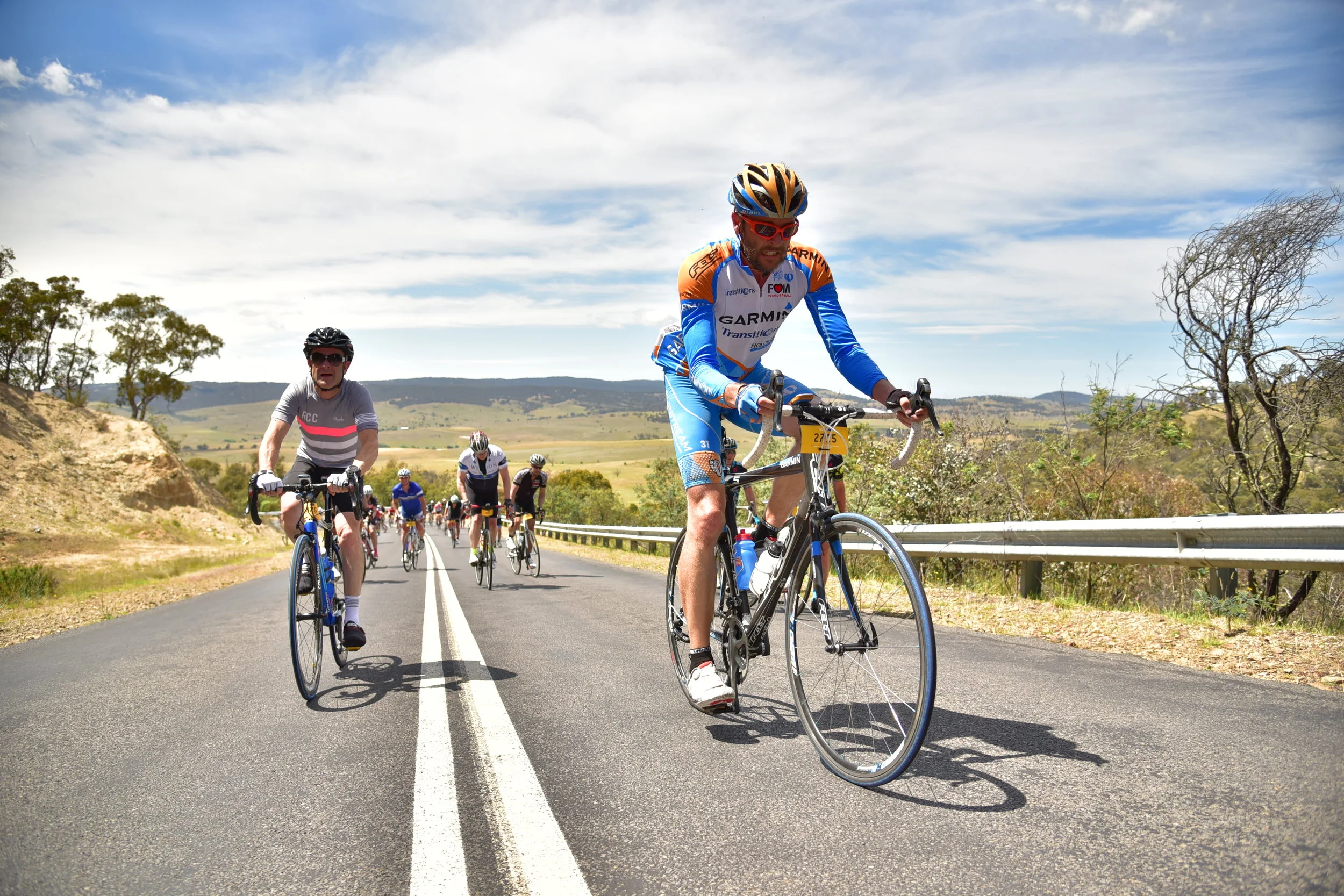
Clearly NOT a pro bike rider, even though I'm still the proud owner of all of the kit!

Clearly NOT a pro bike rider, even though I'm still the proud owner of all of the kit!

Winter Runderland

Saturday May 13th is the day that will be three months out from the City 2 Surf and 18 weeks from the start of the Blackmore's Sydney Running Festival, come to this seminar run by The Good Physio. 

Topics covered will help you train with less risk of injury, more enjoyment of running itself, and potentially even improved performance!

These topics include -
- The Department of Silly Walks (running drills - how and why)
- Load Management and Progression
- Preventative Exercises for Common Running Injuries
- Heresies - Walk-Run, Hydration, Nutrition
- Technique and equipment

The talk starts at 4pm down at Cornerstone S&C gym in Adamstown.  I hope to see you there!

Posture, futility and the London marathon

With the London marathon happening this weekend, my mind is taken back to a conversation I had with Australian long distance gun Lee Troop (represented Australia at 3 Olympic Games for the marathon, and ran sub 2hr 10min on multiple occasions).  We were on an altitude camp in St Moritz, Switzerland (yes, I know - the hardships that I have had to endure in pursuing my craft have been more than most could handle.  Some would call me a hero for surviving work in an exclusive European ski resort with elite athletes...)

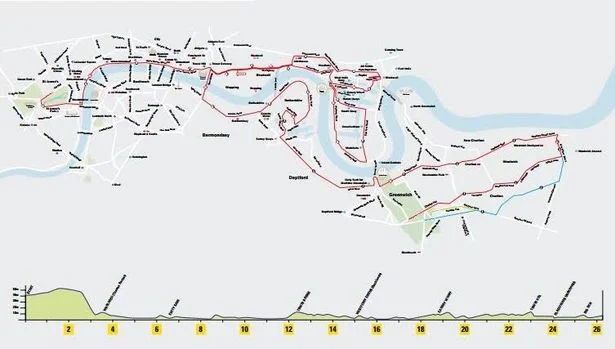
I asked Troopy which marathon he had found the hardest of those that he ran, and was surprised when he said London.  My surprise came from knowing that the course is pretty much flat (as you can see from the profile below with thanks to www.getwestlondon.co.uk for the image)

The route & profile of the London marathon - after an early descent, it's a pancake flat course

The route & profile of the London marathon - after an early descent, it's a pancake flat course

Obviously I needed to know why he found a FLAT course so hard, and Troopy said the main issue was that his back got really tired and sore.  He said on hilly courses you have to change your posture regularly to deal with the terrain, but in a flat race you're just locked into your position and away you go for a couple of hours.

This person, who was arguably one of the fittest people in the country at the time couldn't handle staying still for two hours.

Needless to say this drove home to me that no matter how fit you are, and how "good" your posture is, you can't just rely on this to have a pain-free back.  Having a fit back and good postural habits are the start, but the key extra ingredient is movement.  Here at The Good Physio, our belief is that movement is medicine, and we can help you to work out strategies to not only get you through the times when you're struggling with a sore back, but also give you some simple "body maintenance" tools to keep the back pain wolves at bay.  This allows you to be out there training for your next/first marathon rather than hobbling around with a sore back.

Come Jump with Me!

Jumpology Classes now available with The Good Physio.

Did you know that researchers around the world have worked out the number one factor that increases your likelihood for sustaining virtually every musculoskeletal injury known to humanity?  Of all the different injuries you can sustain to all of the different parts of your body, there is one factor that increases your risk of injury across the board.

“What is this mystery injury risk increaser?” I hear you say…

Drum roll…

The single biggest risk factor for sustaining ANY injury, is if you have already experienced that injury in the past.  It’s a bit of a let down really!  

All of the research, all of the expense of time and money, and the best indicator for a person injuring their knee/hamstring/ankle/back/shoulder is if they have already injured that body part!!  Of course each injury also has its own specific subset of risk factors, but number one on every list is consistently “Previously sustained this injury.”

The next questions are “why is this the case, and what can we do about it?”  And I’d like to think that one of the key reasons that repeat injury is such a big issue is that we don’t rehabilitate ourselves from injury properly. Often our approach to rehab stops at “Good enough” as opposed to “Good to go.”

This brings me to something I’ve been working on aimed particularly at rehab following ACL reconstruction. This work has obvious relevance to other knee arthroscopy rehabilitations, and ankle injury rehab (sprains, etc with or without surgery):

Jumpology classes (also known as Jump-Land training sessions).

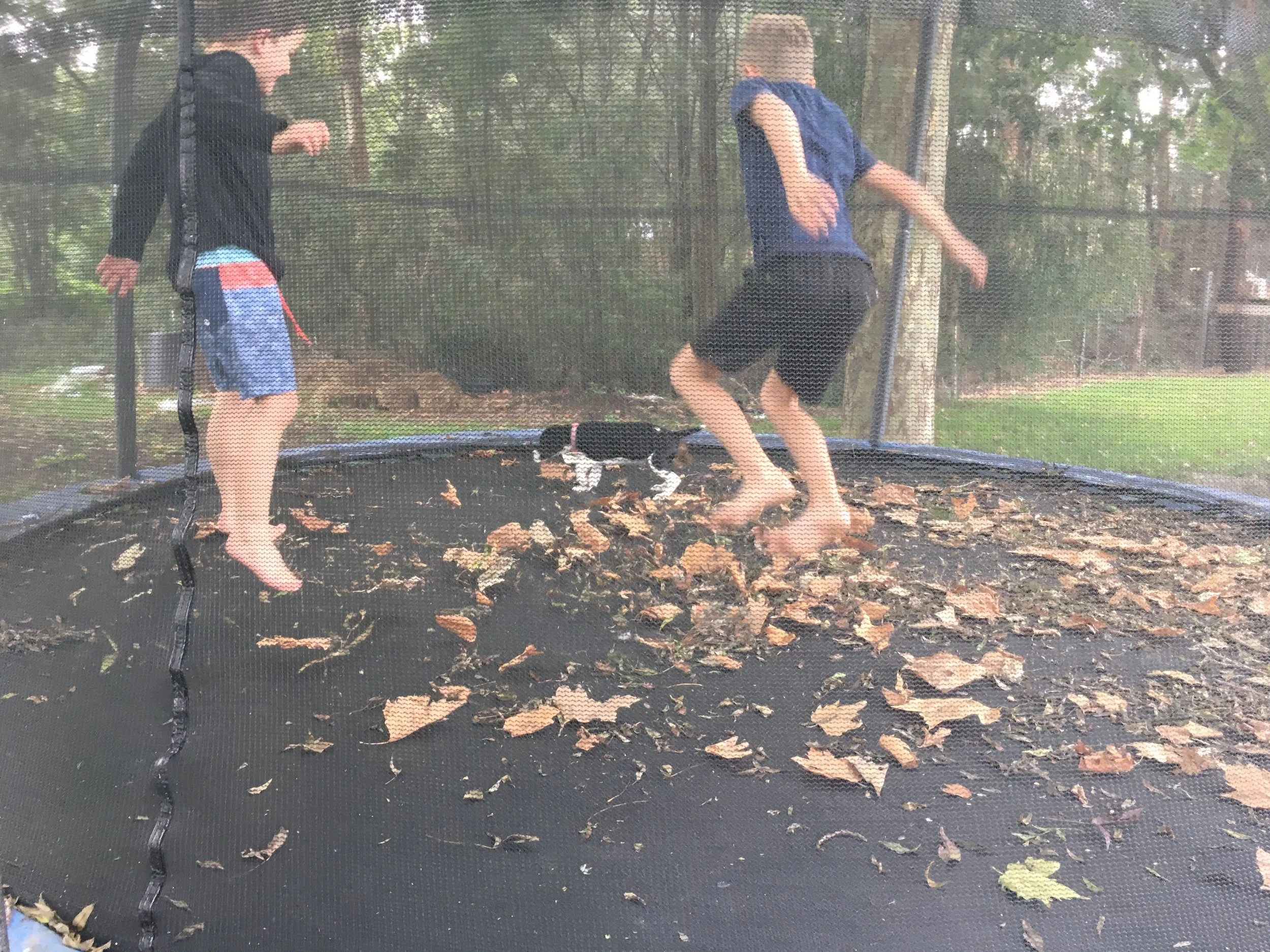
Yes.  That's two small boys and a puppy on a trampoline.  No, we don't do that in Jumpology classes!

Yes.  That's two small boys and a puppy on a trampoline.  No, we don't do that in Jumpology classes!

Often we find that after an injury or operation, once a person is able to return to the activities they love, they are quite probably in the "good enough" category. The patterns show this is where a patient identifies as having stopped doing the rehab exercises that their physio has prepared for them.  As I've noted above, your risk of reinjury is higher once you've done the damage the first time. Not finishing your rehab work is a big contributor in injuries are reoccurring.

Get with the program, and get beyond “good enough”...  dare I say it -  #GetGood full stop. I'm currently running classes on a Tuesday morning at 5:30am, so there’s no excuse to not come because of work commitments or any other such dodges.  Also, these are still physiotherapy treatments, so cost of the class comes with a health fund rebate.

Let’s get airborne!

The low down on load

Load up.  Get loaded.  Don’t blow your load.  The low down on load.


One of the biggest misconceptions people have about seeking professional treatment for injuries is that their physio will put a stop to doing the exercise that they want to do.  In fact what we good physios of this world want to do is keep you exercising as much as possible so that you maintain all of that structural resilience, and so can go harder/faster/further with less risk of doing yourself an injury.


From a physio’s perspective, the correct thing to say is “Load.  The cause of and solution to almost all injuries.”


The more we know about different types of injury, the more the cause boils down to just not getting your loading right.  


Taking on the wrong load in your workout or exercise activity will catch you out in one of two ways: you can do too much, or too little.  So far this hasn’t exactly been an earth-shattering tip has it!  Allow me to reload...


I regularly have patients come to me, sit on the edge of the treatment table, head in hands. Odds are this will follow: I've been working so HARD! It's true, they have. And it sucks, but....A person who has been diligently training their butt off for their next marathon for the last six months straight, hasn’t missed a day of training, and takes little or no time to rest their bodies is at huge risk of getting injured.  Let me call this patient Loader Type A.


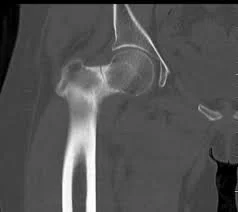
They have done too much loading on their bodies without having enough time to recover. A common injury that results from overloaded (otherwise known as overworked) bodies is ye olde Stress Fracture.  I'm not talking about a fracture incurred beating your head up against the wall.

The little black line at the neck of the femur is a BIG problem...  (image thanks to www.boneschool.com

The little black line at the neck of the femur is a BIG problem...  (image thanks to www.boneschool.com

That little black line at the neck of the femur on the left can lead to a big chunk of hardware in your hip if you treat it with "ignore".


On the flipside of that head-in-hand scenario, is Loader Type B: the enthusiastic friend of Loader Type A who planned to take part in the next round for support, company and a promise made at TGI Fridays.  Loader Type B has likely not run a mile in years and turns up at my clinic with body parts falling off all over the place, but a never-failing sheepish grin: "I went a bit hard off the mark".   Loader Type B has done too little, without developing load strength and so ends up breaking themselves too.


What’s the solution?  Find the Goldilocks zone, where your training levels are not too heavy, not too light, they’re juuuuust right. Introducing Loader Type C.


This is where Good exercise programming comes into the picture.  Basically, what you get with a good coach or personal trainer is an exercise program that will push you hard enough to get big improvements out of your body. You'll see results not only in terms of body image, strength and fitness, but also resilience.  At the same time your body won’t get pushed over the line so that you end up breaking things.


And this is my tip to you for this article - make sure you get that loading right. Perform at Load Type C.  

  • Don’t chase a training session that you had to miss because life got in the way: it will cut into your normal recovery prior to the session that is planned for after that.  

  • Plan to have rest days, and don’t pop in a cheeky secret session or two when you should be having a rest day - it stops your body from adapting to all of the load that you’ve been throwing at it, and increases your risk of an overload injury.  

  • Don’t miss planned sessions if you can at all help it - you’ll lose a little bit of resilience that makes you that little bit more bulletproof the next time you load up


That means stick to the program that you’ve worked on with a good coach or personal trainer to ensure that you’re getting your loading right, and getting in touch with your local physio (ahem… thegoodphysio.com is a good place to start.  Gratuitous plug!!) if you feel limited or sore in a certain area for more than two sessions in a row.  A good physio will work with both you and your trainer to ensure exercise is maintained at safe levels. It helps to get on to "niggles" early, to avoid longer term recovery times.


A good physio will help you focus on the long game. A few short weeks at controlled load will be better on the long run.

Concussion, bad news and best practice

Over the weekend the news filtered out that James McManus, a former NRL player for the Newcastle Knights, would be suing his club over the way multiple injuries to his head were handled.  Concussion and mild brain injuries, and the long term side effects to these injuries have been gaining a great deal of attention over the last five or so years after former NFL (American Football) players successfully sued the NFL for covering up the severity of the problems that can ensue from head knocks (for an awesome documentary on that class action, check out this link).

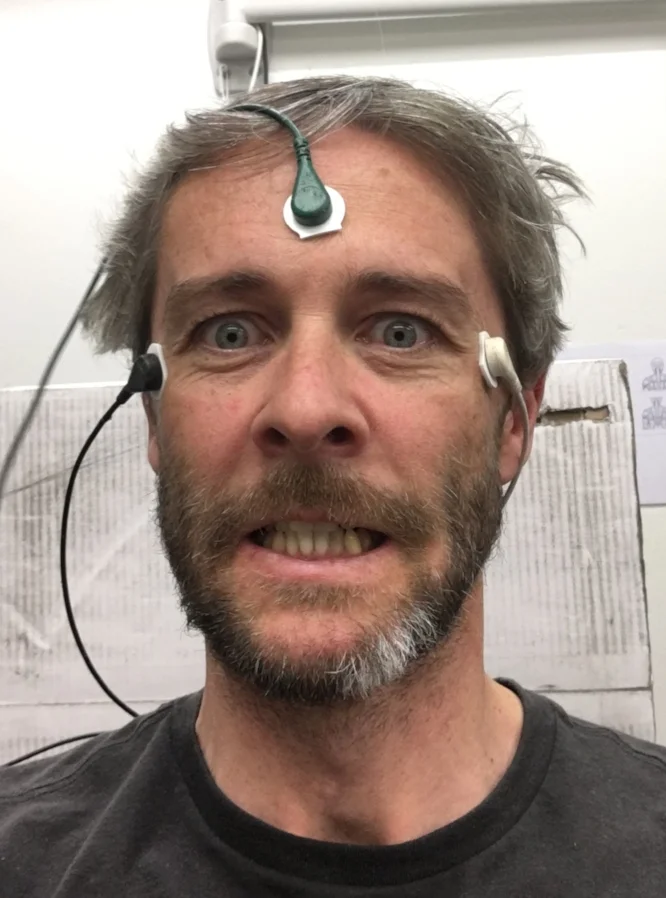
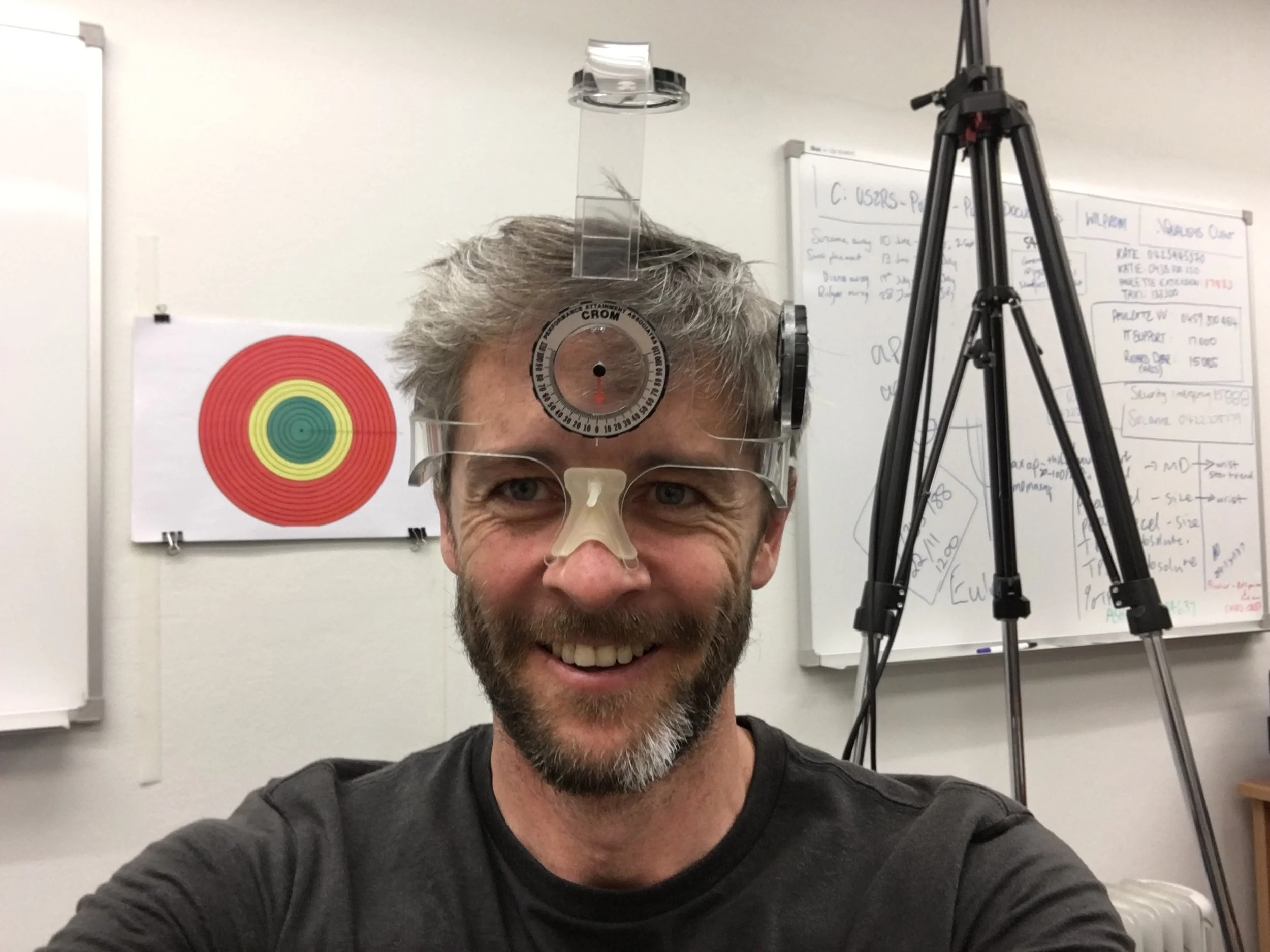
Me in the midst of undertaking the neck position sense testing up at the Uni of Newcastle with Rutger de Zoete

Me in the midst of undertaking the neck position sense testing up at the Uni of Newcastle with Rutger de Zoete

With the huge increase in interest, as well as the enormous financial incentive that clubs have in keeping their players healthy both in the short- and long-term, there has been an equivalent explosion in research and understanding of what constitutes best practice for both short- and long-term treatment of concussion.

The AIS and AMA have recently combined and released their position statement on concussion, which is comprehensive to say the least.  Of particular interest to me as a physio is firstly how much advice has evolved to be pushing more mobility and motor control work more quickly, and secondly how the longer term physical concerns that on occasion follow concussion appear to be greatly assisted with neck-related treatment, including strengthening and position sense training.

I have been lucky enough to get involved with some research into these types of neck-related issues at the University of Newcastle, and am excited to be able to provide treatment that is genuinely cutting-edge for people with post-concussion syndrome and other neck-related injuries.