Posture, futility and the London marathon
/With the London marathon happening this weekend, my mind is taken back to a conversation I had with Australian long distance gun Lee Troop (represented Australia at 3 Olympic Games for the marathon, and ran sub 2hr 10min on multiple occasions). We were on an altitude camp in St Moritz, Switzerland (yes, I know - the hardships that I have had to endure in pursuing my craft have been more than most could handle. Some would call me a hero for surviving work in an exclusive European ski resort with elite athletes...)
I asked Troopy which marathon he had found the hardest of those that he ran, and was surprised when he said London. My surprise came from knowing that the course is pretty much flat (as you can see from the profile below with thanks to www.getwestlondon.co.uk for the image)
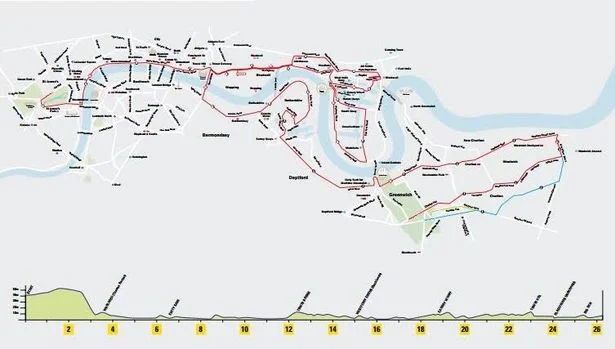
The route & profile of the London marathon - after an early descent, it's a pancake flat course
Obviously I needed to know why he found a FLAT course so hard, and Troopy said the main issue was that his back got really tired and sore. He said on hilly courses you have to change your posture regularly to deal with the terrain, but in a flat race you're just locked into your position and away you go for a couple of hours.
This person, who was arguably one of the fittest people in the country at the time couldn't handle staying still for two hours.
Needless to say this drove home to me that no matter how fit you are, and how "good" your posture is, you can't just rely on this to have a pain-free back. Having a fit back and good postural habits are the start, but the key extra ingredient is movement. Here at The Good Physio, our belief is that movement is medicine, and we can help you to work out strategies to not only get you through the times when you're struggling with a sore back, but also give you some simple "body maintenance" tools to keep the back pain wolves at bay. This allows you to be out there training for your next/first marathon rather than hobbling around with a sore back.